
Vending Machine Refurbishment
Vendtrade’s specialist refurbishment centre restores used vending machines to a high professional standard, delivering reliable, cost-effective, and environmentally friendly solutions for businesses across the UK.
Expertly restored vending machines delivered to the highest professional standard.
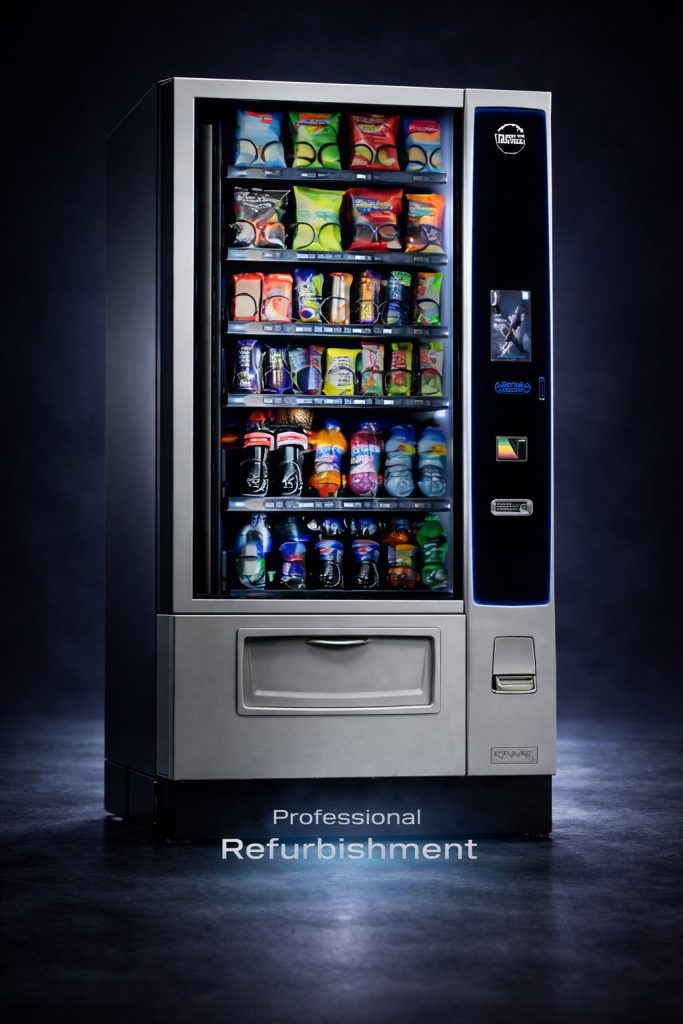
Refurbished Vending Machines to the Highest Standards
Refurbished vending machines are at the heart of what we do at Vendtrade. Through our dedicated refurbishment centre, each machine is fully stripped, inspected and rebuilt by experienced engineers to ensure dependable performance, professional appearance and long-term reliability — all at a significantly lower cost than buying new.
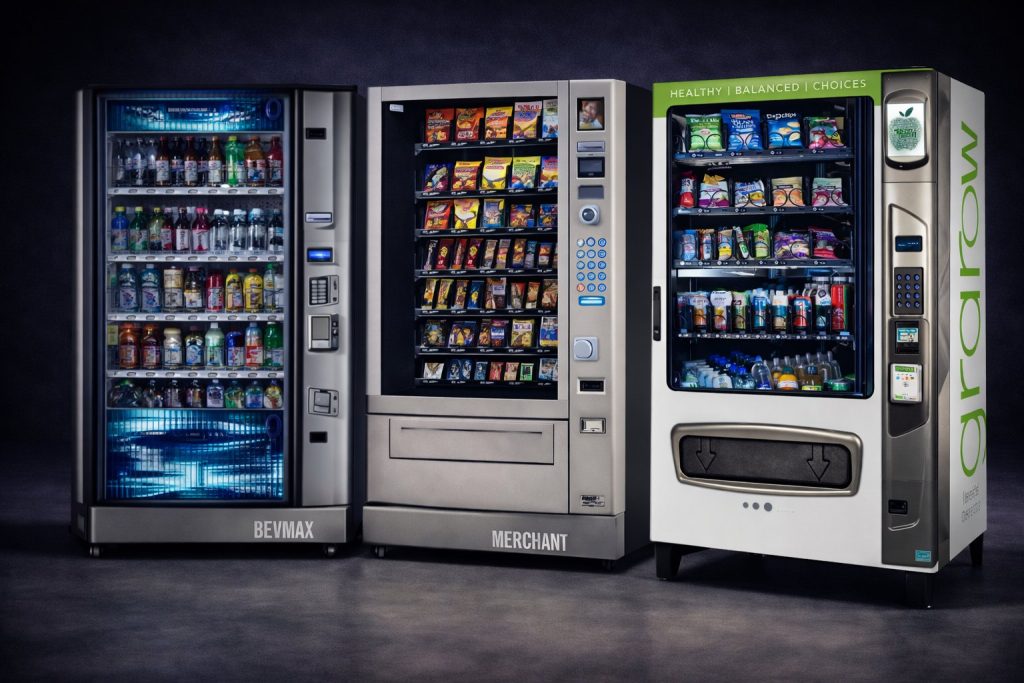
One of Our Core Specialisms
Refurbishing vending machines has been a core part of the Vendtrade business for over 30 years. Our specialist team carefully restores each unit to ensure it is fully fit for commercial use.
Our refurbishment approach includes:
- Complete machine strip-down
- Detailed component inspection
- Replacement of worn or unreliable parts
- Professional cleaning and respraying
- Full rebuild and performance testing
The result is a reconditioned vending machine that looks professional and performs reliably in busy environments.
Making Quality Vending More Affordable
Used and refurbished machines form the backbone of our offering because they allow businesses of all sizes to access high-quality vending solutions without the high capital cost of buying new.
By refurbishing thousands of machines each year, we help businesses to:
- Reduce upfront investment
- Access reliable equipment
- Upgrade cost-effectively
- Introduce vending on tighter budgets
It’s a proven way to balance performance with affordability.
Reduce Investment
Access premium machines
Specialist Refurbishment
Engineered to perform
Commercial Grade
Tested & certified
Looking for a professionally refurbished vending machine you can rely on?
Speak to our team today to discuss your requirements.
Many customers begin with a refurbished machine and later expand or upgrade their vending estate as demand grows — keeping costs controlled while scaling effectively.
Whatsapp Us for a quick response
Refurbished Vending Machines One of our Core Services
At Vendtrade, through our dedicated vending machine refurbishment centre, we are able to supply refurbished vending machines to the highest standard. Our expert team inspects each machine at length, stripping them of all components to see where cleaning, re-spraying, and rebuilding is required – all the while replacing old, worn out or unreliable components or parts with new ones, ensuring a professional finish and a reconditioned vending machine that’s fully fit for purpose.
Refurbished and used vending machines are the core of our business as well as our expertise. On any given day, we buy hundreds of used vending machines, and throughout the year, we often end up buying thousands of used vending machines – just to make vending solutions more affordable to businesses of all scales and sectors, and more importantly, to help reduce their environmental impact.
Often at times, when businesses buy new vending machines with us, they will usually exchange their old ones with us to enjoy some cost savings. We never scrap these used or old machines, instead reconditioning them to their ‘original glory’ as best as possible and then selling them at a lower price to businesses who are particularly on a tighter budget. This not only translates into great cost savings for the buyer but also prevents old and/or unused vending machines from ending up in a landfill, which can otherwise add to the handful of environmental challenges we are already dealing with here in the UK.
We pride ourselves in offering some of the best rates for old or used vending machines, even offering the option to upgrade your old vending machine to the latest refrigeration technology, in order to lower your energy bill and environmental footprint.
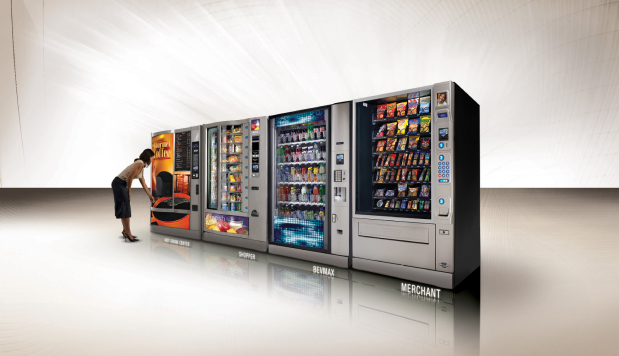
Is a Reconditioned Vending Machine the best choice?
It’s understandable how some of our customers tend to have concerns around buying a used vending machine, particularly if they’ve had a less-than-thrilling experience with another provider while purchasing refurbished vending machines.
We want to reassure you that vending machine refurbishment has been a core facet of our business for over thirty years. In fact, we have built our reputation on reconditioning and selling some of the best-quality and most reliable reconditioned vending machines on the market. Our reputation is absolutely critical to both our success and your satisfaction and we will never do anything to gamble with that. At the end of the day, you won’t have to deal with a refurbished vending machine that’s ‘misbehaving’ or not working as intended, that is our guarantee.
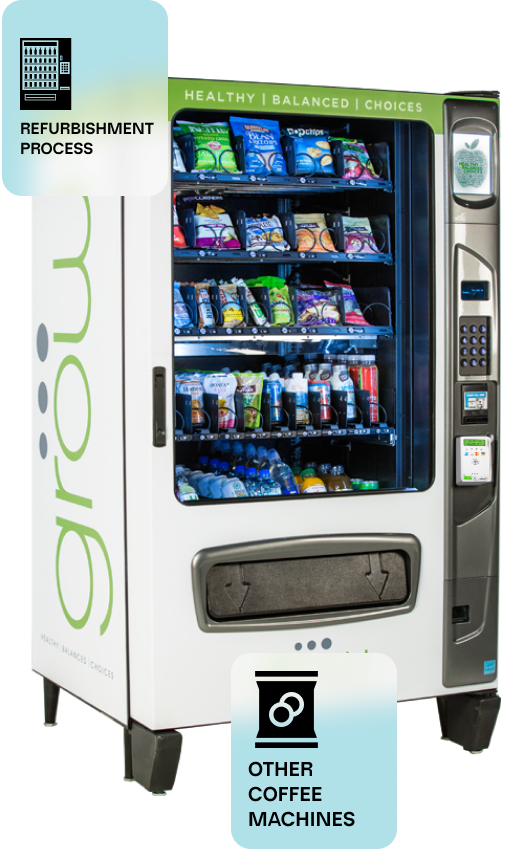
Our Vending Machine Refurbishment process
We’re very fortunate to be working with a team of highly skilled vending machine engineers and technicians who work nothing short of miracles and wonders to restore vending machines that are no longer in use.
While bringing back used and old vending machines to life may be as simple as repairing its internal computer systems or components, it can often be as comprehensive and complex as performing a complete overhaul on its internal mechanics. No matter what condition we receive the vending machine in, our team leaves no stone unturned when it comes to restoring a non-working vending machine to its formal glory days!
Although our vending machine restoration methods may differ slightly from model to model, we generally follow the same process for refurbishing these machines:
- Thoroughly inspect all mechanics and moving parts to identify any issues
- Repair faults and broken parts
- Deep clean the machine’s internal components and external body
- Re-gas any refrigeration units
- Fix or touch-up cosmetic blemishes
After successfully refurbishing each model, our team is confident that your vending machine will function like new – so much so that we offer a minimum 10-year warranty for every refurbished model sold in order to protect you against faults or malfunctions which may occur under normal use. Although rare, if your machine does develop issues or faults under normal day-to-day use
All in all, you will always have the peace of mind knowing that you refurbished vending machine is consistently delivering a top-quality vending experience to both your staff as well as your customers and visitors.